
Stitched Details Built to Last
Embroidery in Montrose for logos, text, and designs that hold up through repeated washing and daily wear
Infinity Engraving LLC provides embroidery services in Montrose for businesses, organizations, and individuals who need names, logos, or custom designs rendered in thread on fabric. Machine embroidery differs from printed decoration in one fundamental way: the design is physically woven into the material, not layered on top of it, which means it does not crack, peel, or fade after repeated laundering the way heat-transfer or screen-printed decoration can. This distinction matters most for workwear, uniforms, and items that see daily use.
The process begins with digitizing the artwork-converting a logo or design into a stitch file that tells the embroidery machine the exact path, density, and type of each stitch. That digitizing step is where most quality differences originate. A poorly digitized file produces designs with gaps, thread breaks, or distorted lettering, even on a capable machine. Once the file is dialed in, the garment is hooped to hold it flat and stable during stitching, and the machine works through the design in sequence, laying down each color before the next begins.
Arrange a consultation with Infinity Engraving LLC to review your artwork and discuss which garment types and stitch formats will work best for your specific application.
Learn More
How Embroidery Holds Up Where Printing Fails
Fabric type and garment construction both affect how embroidery is set up and executed. Structured materials like polo shirts, caps, and jackets hold hooping tension well and generally produce clean, tight stitch registration. Stretch fabrics, fleece, and thin knits require backing materials-stabilizers placed behind or beneath the fabric during stitching-to prevent the design from pulling, puckering, or shifting as the needle works through. Choosing the right stabilizer type for each material is a decision made before the machine starts, not corrected after.
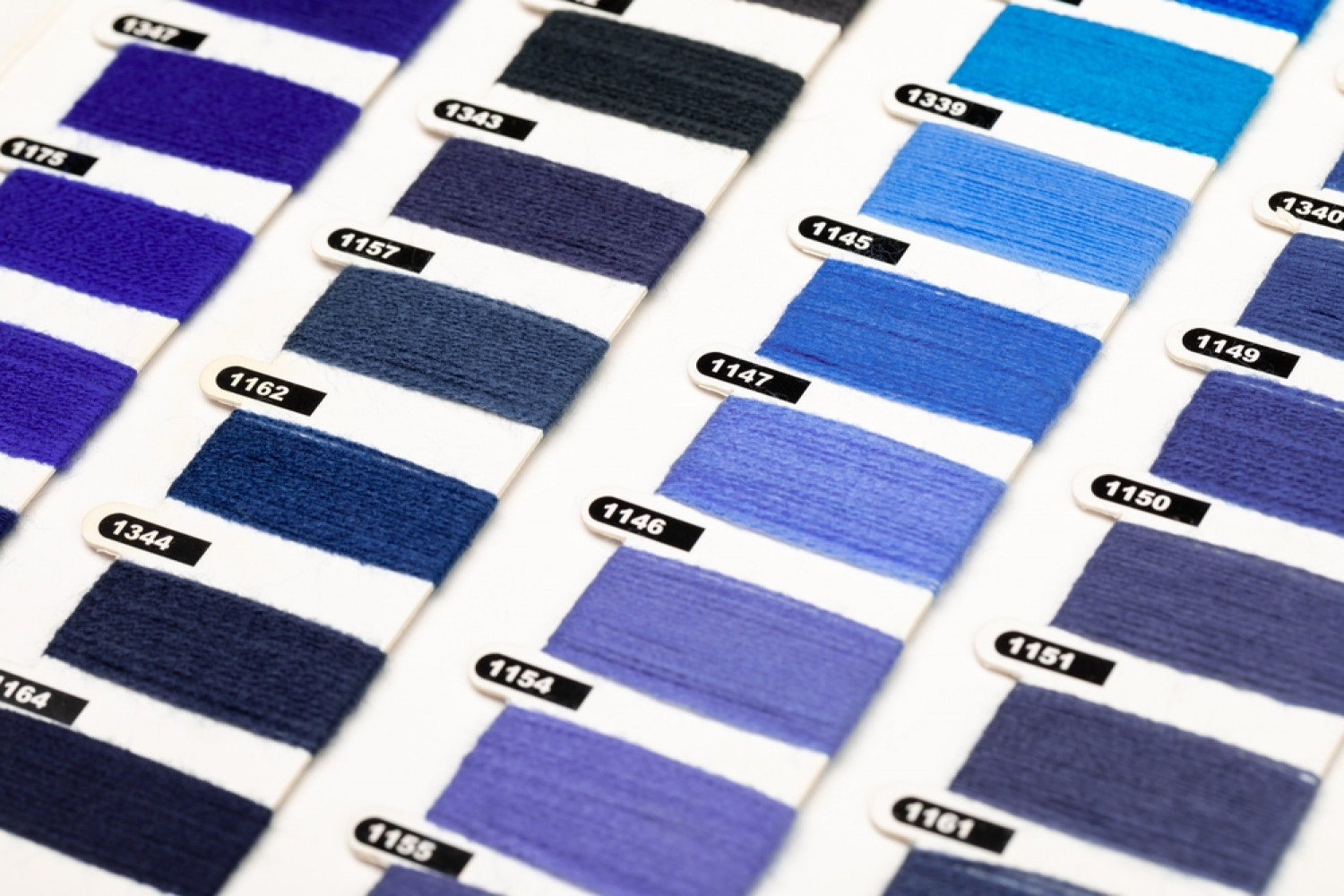
Once the work is finished, you will notice that the design sits flush with the fabric surface, has a slight raised texture from the thread density, and maintains clean edges on lettering and graphic elements. Thread colors remain consistent across a production run because commercial embroidery uses standardized thread systems-commonly Madeira or Isacord-where each color is assigned a specific number and matched precisely from spool to spool. Unlike a printed design that shows wear at its edges first, an embroidered design wears evenly across its entire surface.
For businesses ordering staff uniforms or branded apparel, the same digitized file can be run across multiple garment styles and colors without redesigning from scratch, which keeps consistency across a full set of items. Small text-anything below roughly four millimeters in cap height-becomes a consideration worth discussing early, since very fine lettering in thread requires adjusted stitch density to remain legible and avoid thread buildup in tight areas.